OpenAI Reportedly Plans to Buy Google AI Chips, and the Rivalry Just Got Complicated
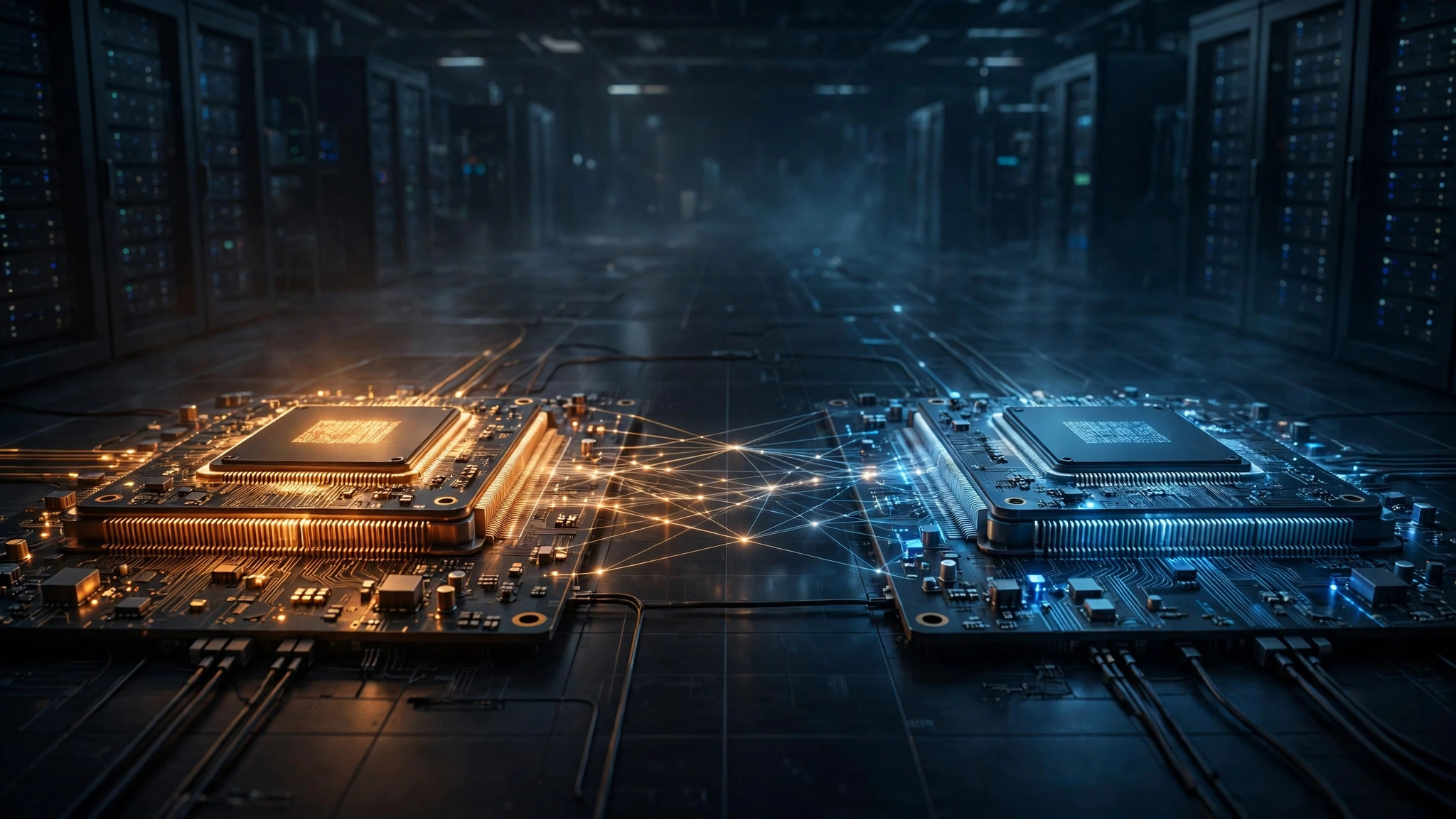
On October 27, 2026, The Information reported that OpenAI plans to buy artificial intelligence chips from Google, citing a person familiar with the matter. The report, relayed by Reuters, disclosed no price, volume, chip generation, or timing, and it describes a plan rather than a completed deal. OpenAI declined to comment, and Google did not immediately respond to a request for comment. That caution matters, because the story is still a single sourced report, not a confirmation from either company.
The context is what makes the report interesting. OpenAI is one of the largest buyers of Nvidia graphics processing units. In June 2025, Reuters reported that OpenAI had begun renting Google Tensor Processing Units, or TPUs, through Google Cloud to lower the cost of running its models. Last week, OpenAI said it would make its frontier models available through Google Cloud. Buying chips outright would be a further step: from renting computing power on someone else's cloud to owning the hardware itself. The Information also reported that OpenAI is hiring engineers to optimize its frontier models for TPUs, work it describes as still at an early stage.
The same day brought a confirmed, separate piece of the same puzzle. Oracle and Google announced on October 27 that Google TPUs will be available through Oracle Cloud Infrastructure from calendar year 2027, the first time Google's custom AI chips will be offered on a competing hyperscale cloud. Oracle will supply the data center power, cooling, and networking, while Google supplies the chips. The announcement features Google's eighth-generation TPUs: the TPU 8t for training and the TPU 8i for inference. Google began selling TPUs directly to some customers this year, and deals with customers including rival Anthropic have fueled demand. Alphabet expects to begin recognizing a small percentage of revenue from TPU sales agreements by the end of this year, with the vast majority expected in 2027, its chief financial officer has said.
Why does a chip purchase matter to anyone who is not buying chips? Because chips are the bottleneck behind every AI product. When one supplier dominates, capacity is scarce, prices stay high, and waiting lists decide who can build what. A credible second source gives the biggest buyers leverage, and over time that leverage can show up as lower costs, faster responses, or more capacity downstream. But none of that is automatic. Moving models to a different chip architecture takes serious engineering, which is why the hiring detail is a better signal than the headline. And a reported plan is not a purchase: terms, timing, and even the final decision could change, and Nvidia remains the dominant supplier either way.
So what should readers watch? First, whether OpenAI or Google confirms anything, and whether Alphabet's quarterly results later on October 28 add detail on TPU demand. Second, whether the Oracle rollout in 2027 actually gives customers a practical alternative to Nvidia hardware, with prices and regions still undisclosed. Third, the deeper pattern: the companies that compete hardest in AI products are increasingly also each other's customers and suppliers. ChatGPT competes with Gemini, yet OpenAI now runs models on Google Cloud and may soon run them on Google chips. In the AI business, rivalry and dependence are no longer opposites. They are the same story, told in two directions at once.
Official sources and review record
Reviewed: 2026-10-28- Reuters via BusinessWorld — OpenAI plans to buy Google's AI chips, The Information reports
- DigitalToday — OpenAI to buy Google's AI chip TPU
- Unite.AI — Oracle Cloud Infrastructure to Offer Google's TPU Accelerators
This is a decision guide based on public official information, not a labeled hands-on comparison. Pricing and features can change; confirm them before purchasing.